




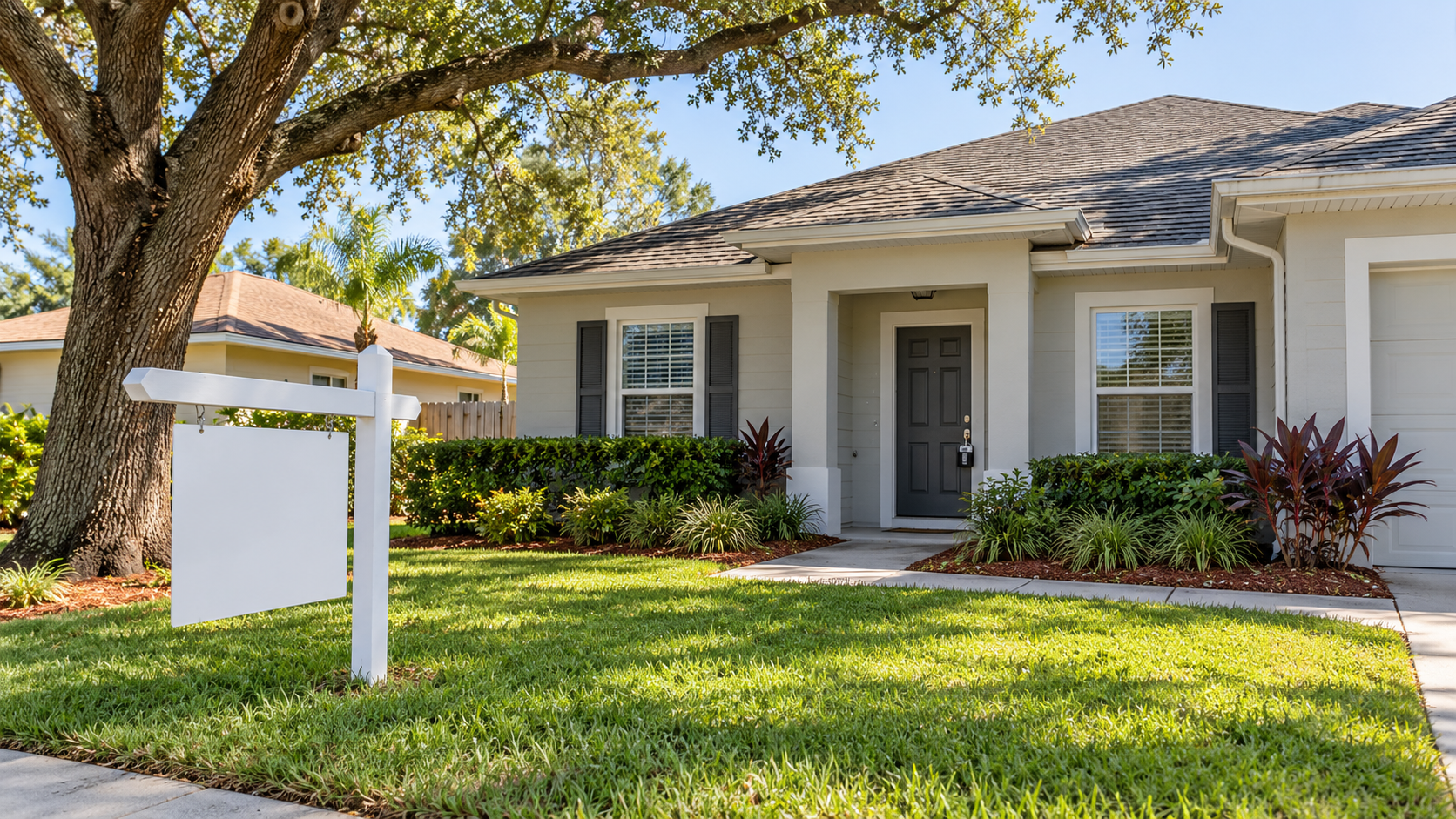
Self-managing usually makes sense if you live near Jacksonville, have flexible time and are willing to learn Florida's landlord-tenant rules. Hiring a property manager usually makes sense if you live out of the area, are relocating with the military, own several rentals or would rather pay a fee than handle tenants and repairs yourself. There's also a middle option: pay a manager only to price, market and screen, then manage the lease yourself.
The right choice comes down to four things: how close you live to the property, how much time you have, how comfortable you are with Florida law, and whether the fee costs less than the mistakes and vacancy it prevents. This guide compares all three options with a worked cost example for a typical Jacksonville rental.
What Does Self-Managing a Jacksonville Rental Involve?
Self-managing means you act as the landlord in every step of the tenancy: pricing, marketing, showings, screening, the lease, rent collection, repairs, inspections, renewals and, if it comes to it, eviction. Some tasks happen once per tenant. Others can come up at any hour.
Task | When it happens | What it involves for a self-managing owner |
|---|---|---|
Pricing the rent | Before each lease and renewal | Pulling comparable leased homes nearby, not just online averages |
Marketing and showings | Each vacancy | Photos, listings on rental sites, answering inquiries, scheduling and attending showings |
Screening applicants | Each vacancy | Credit, income, rental history and background checks applied consistently under fair-housing rules |
Lease and disclosures | Each lease | A Florida-compliant lease, security deposit disclosure and, for leases of a year or longer, a separate flood disclosure |
Rent collection | Monthly | Tracking payments, late fees and, when needed, a correct Florida 3-day notice |
Repairs and maintenance | Any time | Taking calls, finding licensed vendors, approving and checking work, emergency response |
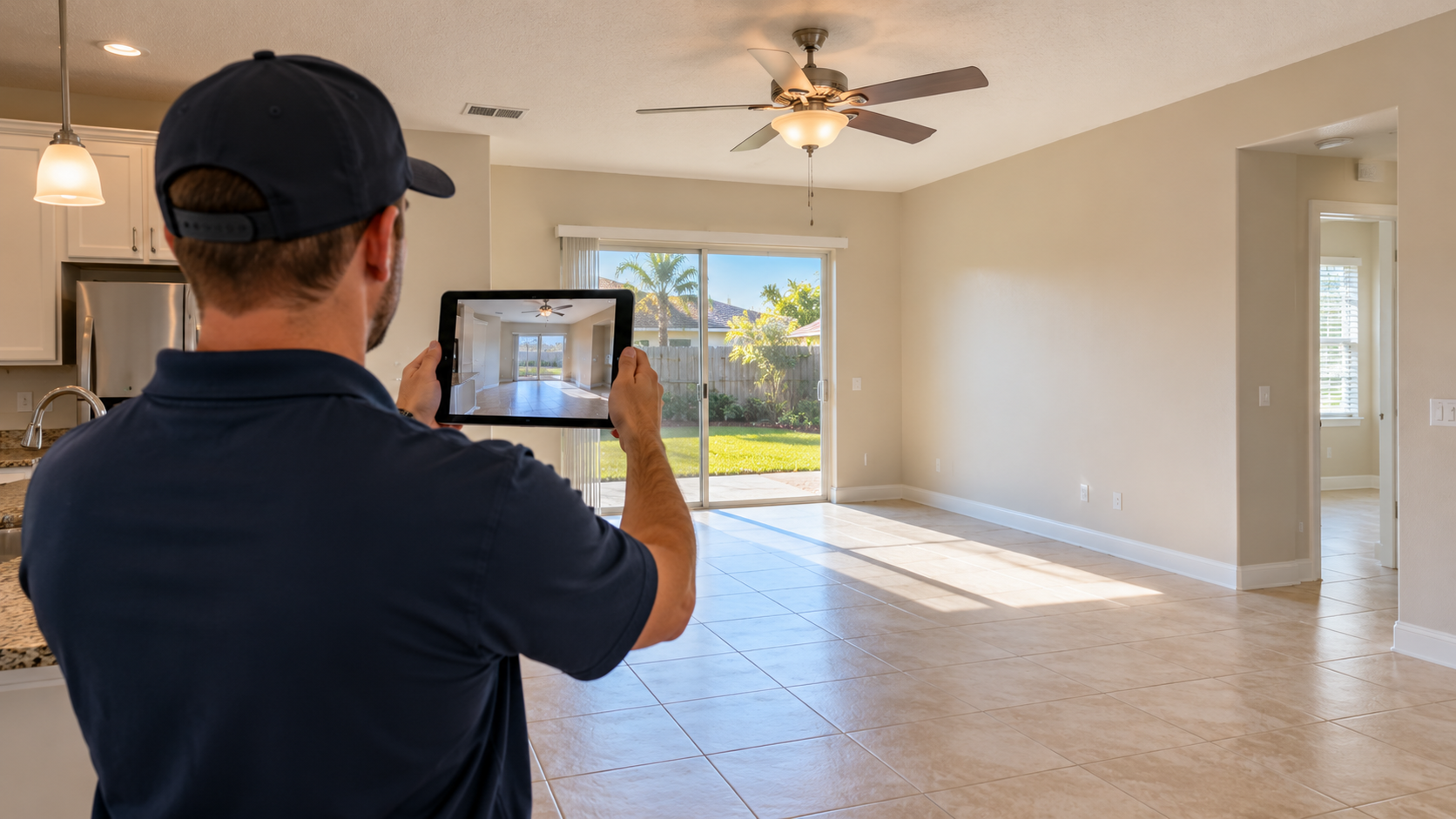
Inspections | Move-in, during the lease, move-out | Documenting condition with photos so deposit claims hold up |
Deposit handling | Move-out | Returning the deposit or sending a written claim within Florida's deadlines |
Renewals and turnover | End of each lease | Renewal terms, notices, cleaning and make-ready work |
None of this is unusually hard for one nearby home with a reliable tenant. It gets harder when you live far away, when a tenant stops paying, when a repair needs someone on site the same day, or when a hurricane watch is posted and the property needs to be checked.
What Does a Property Manager Do for You?
A property manager is a licensed professional who handles the day-to-day operation of a rental for the owner in exchange for a fee, usually a percentage of collected rent plus set leasing fees. You keep ownership and the final say on major decisions. The manager runs the process.
A full-service manager handles the whole table above. Cool Realty's Jacksonville property management service, for example, covers marketing with professional photos and a 360° virtual tour, tenant screening, online rent collection, maintenance with owner approval of quotes before work begins, scheduled inspections, renewals, owner-portal reporting and eviction handling through an attorney. Owners have one assigned property manager as their contact.
Self-Managing vs. Tenant Placement vs. Full-Service: Side by Side
Most owners are choosing between three options, not two. Tenant placement only, sometimes called leasing only, covers the work of finding and signing a tenant. After that, the owner manages the tenancy.
Self-managing | Tenant placement only | Full-service management | |
|---|---|---|---|
Who prices and markets the home | You | Manager | Manager |
Who screens applicants | You | Manager | Manager |
Who prepares the lease | You or your attorney | Manager | Manager |
Who collects rent and handles late payments | You | You | Manager |
Who takes repair calls | You | You | Manager (with your approval on quotes) |
Who handles deposits, notices and evictions | You | You | Manager |
Ongoing fee | None | None | Percentage of collected rent |
Your time commitment | Highest | Medium | Lowest |
Best fit | Local owners with time and some landlord experience | Local owners who want help leasing but will manage the tenant | Out-of-area, military or busy owners and multi-property investors |
For a deeper look at the middle option, see our guide to tenant placement vs. full-service property management in Jacksonville.
What Does Each Option Cost? A Jacksonville Example
The fee is easy to see. The cost of self-managing is mostly your time, plus the price of any mistakes and empty months. Here is a worked example for a typical three-bedroom Jacksonville home.
Zillow reported an average asking rent of $1,795 for a three-bedroom rental in Jacksonville (data updated October 22, 2026). Using Cool Realty's published fees and assuming the home leases quickly and the tenant pays all 12 months:
Option | How the first-year cost is calculated | Illustrative first-year cost |
|---|---|---|
Self-managing | No management fee. You pay your own listing, screening, lease and repair-coordination costs and supply the time. | $0 in management fees + your time |
Tenant placement only | $100 + one month's rent ($1,795) | $1,895 |
Full-service management | $750 onboarding + $65 lease preparation + 10% of rent for months 2–12 (10% × $1,795 × 11 = $1,974.50) | $2,789.50 |
Fees are Cool Realty's published terms as of October 2026, not an industry average. Active-duty military owners receive a 9% monthly rate. Repairs, lease renewals and optional services are excluded.
Put a number on vacancy and mistakes
The comparison changes once you count what goes wrong. At $1,795 a month, every month the home sits empty costs about $1,795 in lost rent close to the full year of placement fees in the example. A tenant who stops paying, a deposit claim lost on a technicality or a repair that turns into water damage can each cost more than a year of management fees.
A simple test: estimate how many hours a year you'd spend on the rental, put an hourly value on your time, and add a realistic allowance for one vacant month. If that total is close to or above the management fee, hiring is usually worth comparing seriously. Cool Realty's vacancy loss calculator and ROI calculator can run these numbers for your own home.
Florida Rules Every Self-Managing Landlord Must Get Right
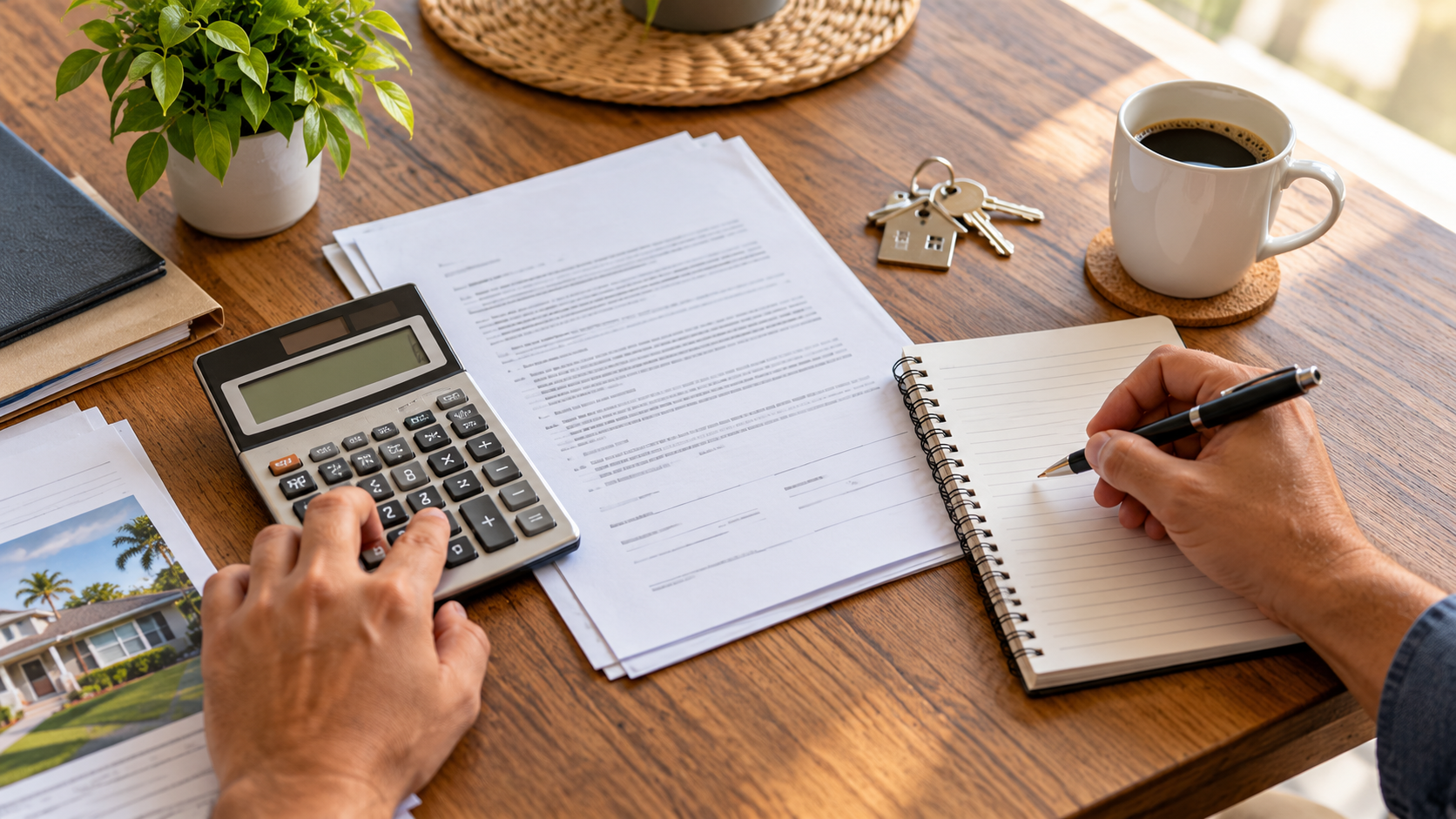
Florida's Residential Landlord and Tenant Act, Chapter 83 of the Florida Statutes, sets strict deadlines and notice formats, and small errors can cost you a deposit claim or delay an eviction. These are the rules self-managing owners most often need:
Security deposits (§83.49). Hold deposits in a Florida bank account (or post a surety bond), not mixed with your own money. After the tenant moves out, return the deposit within 15 days if you're not keeping any of it. To keep part of it, send a written notice of claim by certified mail or email within 30 days. Miss that deadline and you forfeit the right to claim against the deposit.
Unpaid rent (§83.56). Start with a written 3-day notice demanding rent or possession. Weekends and legal holidays don't count toward the three days. The lease can't waive these notice requirements.
Lease violations (§83.56). Most fixable violations, like an unauthorized pet, need a 7-day notice giving the tenant a chance to cure. Serious or repeated violations can use a 7-day notice without the opportunity to cure.
Ending a month-to-month tenancy (§83.57). Either side must give written notice at least 30 days before the end of the monthly period.
Maintenance (§83.51). Landlords must follow applicable building, housing and health codes. For a single-family home or duplex, some duties can be changed in writing, but the lease has to say so clearly.
Flood disclosure (§83.512). Since October 1, 2025, leases of one year or longer need a separate written flood disclosure given at or before signing. It must state whether you know of flood damage during your ownership and whether you've filed a flood insurance claim or received flood assistance such as FEMA aid.
Fair housing. Screening criteria must be written and applied the same way to every applicant under federal fair-housing law.
You don't need a real estate license to manage your own rental. If you pay someone else to lease or manage it, check their license: Florida's Chapter 475 generally requires one for compensated rental activities done for another person, with limited exemptions. You can verify a license through the Florida DBPR license search.
This section summarizes Florida Statutes as published for 2025 and is not legal advice. For a specific situation, consult a Florida attorney.
When Does Self-Managing Make Sense in Jacksonville?
Self-managing tends to work well when most of these are true:
You live within a reasonable drive of the property and can meet a vendor or check the home on short notice.
You own one or two rentals, not a growing portfolio.
You have time during business hours and can answer calls after hours.
You're willing to learn Chapter 83 and keep up with changes such as the 2025 flood-disclosure rule.
You have reliable vendors for HVAC, plumbing, roofing and lawn care.
The home is in good condition and doesn't need frequent repairs.
When Does Hiring a Property Manager Make More Sense?
Hiring usually pays off when distance, time or risk would make self-managing costly:
You live out of the area or overseas. Remote owners depend on someone local for showings, inspections and emergencies.
You're military and expecting PCS orders. Jacksonville is home to NAS Jacksonville and Naval Station Mayport, and many service members keep their home as a rental when they relocate. Cool Realty offers PCS property services and a 9% monthly rate for active-duty owners.
You own several properties. Coordination work multiplies with each door.
You'd struggle with hurricane season. Atlantic hurricane season runs June 1 to November 30. A remote owner needs someone who can check the property and coordinate repairs after a storm.
You've had a problem tenant or a long vacancy. Those are signs the screening or pricing process needs work.
The rental market is soft. Apartment List reported Jacksonville's median rent up just 0.7% year over year in October 2026, and Zillow's average was roughly flat over the past year. In a market like that, accurate pricing and strong marketing matter more.
Common Self-Management Mistakes (and How to Avoid Them)
Mistake | What it costs you | Better approach |
|---|---|---|
Pricing from a citywide average | Rent set too low, or weeks of vacancy if set too high | Use comparable homes that actually leased nearby in recent months |
Skipping or loosening screening to fill the home fast | Higher risk of late rent, damage and eviction | Use written criteria and apply them to every applicant |
Using a generic online lease | Missing Florida-specific terms and disclosures | Use a Florida-compliant lease reviewed by an attorney, plus the required flood disclosure |
Missing the 30-day deposit claim deadline | You lose the right to deduct for damage | Calendar the move-out date and send the claim by certified mail or email |
Writing your own eviction notice | A defective notice can delay or derail the case | Follow §83.56 exactly or have an attorney or manager prepare it |
No move-in photos | Deposit disputes are hard to win | Document condition at move-in with dated photos signed off by the tenant |
Is Tenant Placement Only a Good Middle Ground?
It can be, if you want professional help with the riskiest part choosing the tenant but are ready to manage the lease yourself. With Cool Realty's tenant placement option, the company prices the rent, markets the home, screens applicants, prepares the lease and places the tenant. You then collect rent, handle repairs and enforce the lease.
Know what isn't included. Tenant placement doesn't include ongoing management, and it doesn't include the replacement guarantee that comes with full-service management, where Cool Realty's Lease Term Guarantee replaces a tenant who doesn't complete the lease without charging the onboarding fee again. Full-service owners also get a 90-day placement guarantee: if the home isn't placed within 90 days of listing, the owner can cancel the agreement. Details are on Cool Realty's guarantees page.
Frequently Asked Questions
Is it worth hiring a property manager in Jacksonville?
It depends on your distance, time and the rent. For an owner who lives out of the area or owns several homes, a manager often costs less than the vacancy, legal mistakes and travel it prevents. For a local owner with one well-kept home and time to spare, self-managing can work well.
How much do property managers charge in Jacksonville, FL?
Fees vary by company. Most charge a monthly percentage of collected rent plus leasing or setup fees. Cool Realty publishes a $750 onboarding fee, a $65 lease-preparation fee and 10% of collected rent starting in month two, with no fee while the home is vacant. See the pricing page and our guide to property management costs in Jacksonville.
Do I need a license to manage my own rental in Florida?
No. Owners can lease and manage their own property without a real estate license. If you pay someone else to do it, Chapter 475 generally requires that person to be licensed, with limited exemptions.
Can I switch from self-managing to a property manager later?
Yes. A manager can take over an existing lease. Expect to provide the signed lease, deposit records, the tenant's payment history and any inspection photos so the handover is clean.
Can a property manager handle an eviction?
A full-service manager can serve the required notices and coordinate the case, while the court filing itself is handled by an attorney. Cool Realty handles evictions through the same attorney who prepares its leases and offers optional eviction protection.
What if I live out of state or overseas?
A local manager handles showings, repairs, inspections and emergencies, and you follow along through an owner portal with monthly statements. This is the most common reason owners stop self-managing.
Final Thoughts
Self-managing saves the fee but costs time, and it puts the risk of Florida's deadlines and notices on you. Hiring a manager costs a predictable fee and moves that work and risk to a licensed professional. Tenant placement only splits the difference. If you're unsure, run the numbers for your own home: your time, one realistic month of vacancy and the fee for each option.
Not sure which option fits your Jacksonville rental? Talk with Cool Realty and request a free rental analysis. You'll see what your home is likely to rent for and what each service level would cost before you decide.